News

Expert Q&A: Improving the Quality and Reproducibility of In Vivo Studies

In Vivo StudiWell-designed animal studies require more than selecting an appropriate disease model. Experimental grouping, endpoint selection, procedural consistency, and quality control all directly affect data variability, reproducibility, and the strength of the resulting evidence. In this Q&A, Toprion’s preclinical research team discusses several common challenges in animal study design and explains how standardized workflows […]

Expert Q&A: Improving the Quality and Reproducibility of In Vivo Studies Read More »
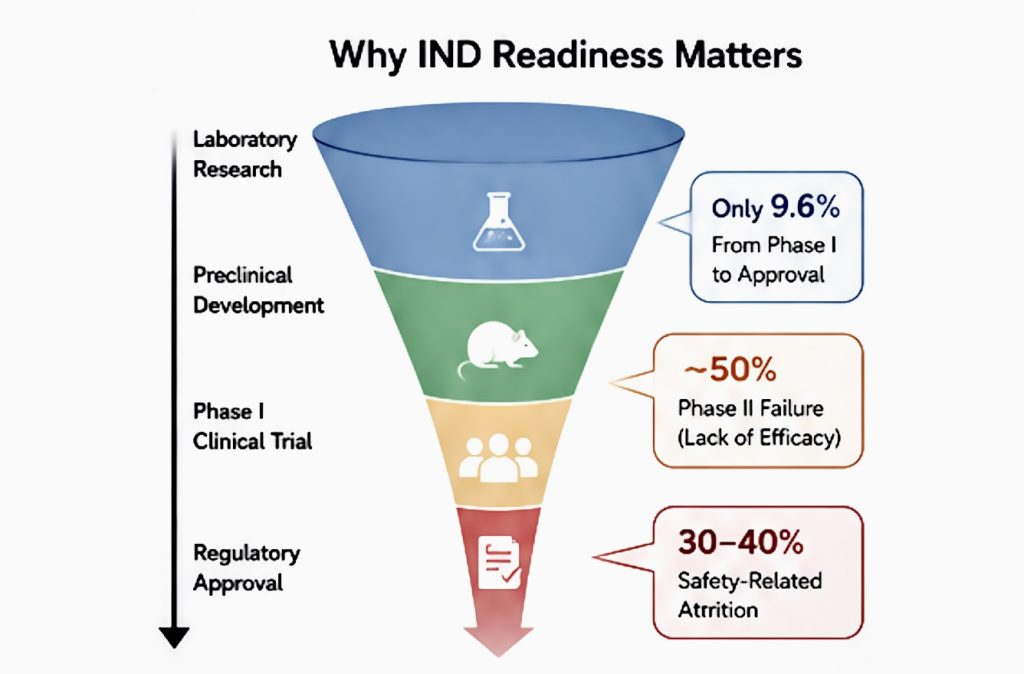
Industry Insight——Building a Stronger IND Strategy for Small Molecule Drug Development

Bringing a small molecule from discovery to clinical development is a complex process that requires far more than identifying a biologically active compound. Despite promising early-stage data, many development programs fail before or shortly after entering clinical trials due to insufficient efficacy, unexpected safety findings, or inadequate translational evidence. For many programs, these challenges do

Industry Insight——Building a Stronger IND Strategy for Small Molecule Drug Development Read More »

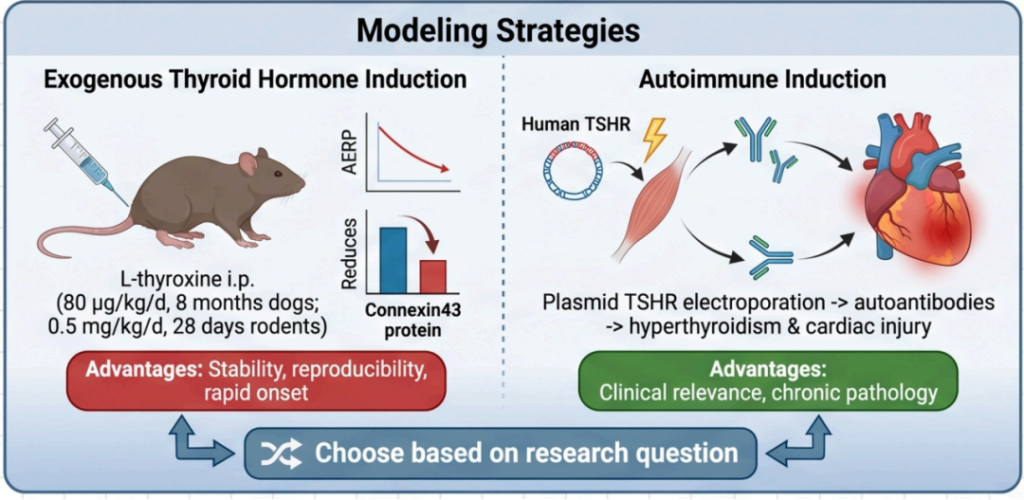
Technical Insight——Hyperthyroid Heart Disease: Modeling Strategy and Translational Evaluation

Hyperthyroid heart disease (HHD) represents one of the most severe cardiovascular complications of thyroid hormone excess. Clinically, it is characterized by persistent tachycardia, cardiac hypertrophy, arrhythmia susceptibility, and progressive structural remodeling. Despite its well-defined clinical phenotype, preclinical modeling of HHD remains challenging due to variability in disease induction, incomplete recapitulation of human pathology, and limitations

Technical Insight——Hyperthyroid Heart Disease: Modeling Strategy and Translational Evaluation Read More »

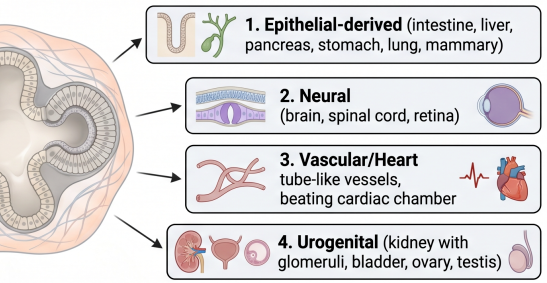
Technical Insight——Why Organoids Are Becoming a Critical Tool in Drug Discovery

For decades, preclinical research has relied heavily on two experimental systems: traditional cell cultures and animal models. Both have contributed significantly to our understanding of disease biology and therapeutic development. Yet both present well-recognized limitations. Conventional two-dimensional cell cultures are often unable to reproduce the structural complexity, cellular diversity, and microenvironmental interactions found in human

Technical Insight——Why Organoids Are Becoming a Critical Tool in Drug Discovery Read More »

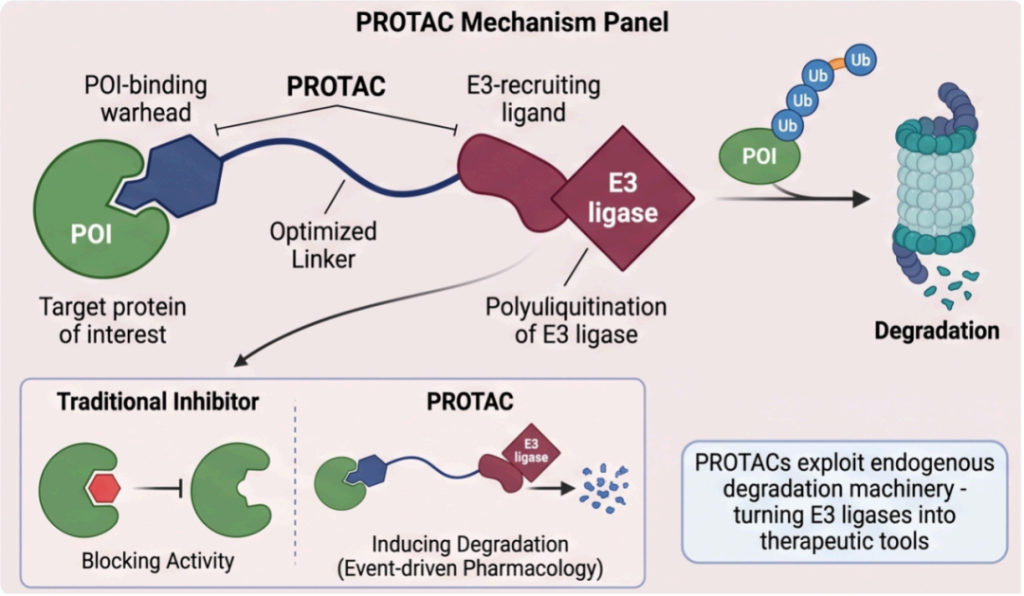
Technical Insight——Why Targeted Protein Degradation Is Reshaping Drug Discovery

For decades, drug discovery has largely relied on inhibition. Whether targeting kinases, receptors, or enzymes, most therapeutic strategies have focused on blocking protein activity. However, many disease-driving proteins remain difficult―or even impossible―to inhibit directly. The emergence of targeted protein degradation technologies, particularly PROTACs, has introduced a fundamentally different approach: instead of blocking proteins, researchers can

Technical Insight——Why Targeted Protein Degradation Is Reshaping Drug Discovery Read More »

Technical Insight——Why Hyperuricemia Models Often Produce Unstable Results

Hyperuricemia (HUA) research has expanded far beyond gout alone. Elevated uric acid levels are now closely associated with chronic kidney disease, metabolic dysfunction, cardiovascular complications, and systemic inflammation. As interest in urate-lowering therapeutics and metabolic disease research continues to grow, establishing stable and translationally relevant animal models has become increasingly important in preclinical studies. However,

Technical Insight——Why Hyperuricemia Models Often Produce Unstable Results Read More »

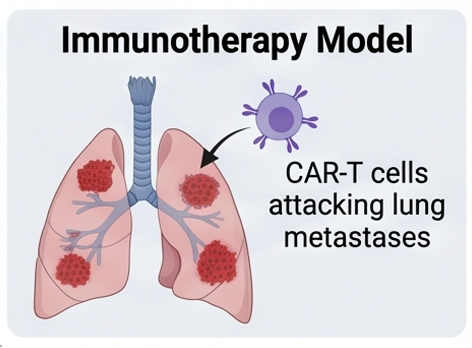
Technical Insight——Selecting Appropriate Preclinical Lung Metastasis Models

Lung metastasis is one of the most common progression patterns observed across solid tumors including breast cancer, melanoma, colorectal cancer, and renal carcinoma. Because metastatic dissemination involves multiple biological stages ― from circulation survival to lung colonization and outgrowth ― appropriate model selection is critical for generating reproducible and translationally meaningful data. Unlike in vitro

Technical Insight——Selecting Appropriate Preclinical Lung Metastasis Models Read More »

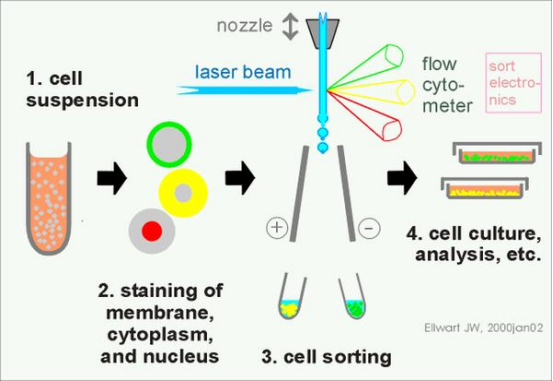
Technical Insight——Ensuring Reliable Flow Cytometry Data: From Sample Preparation to Multi-Parameter Analysis

Overview Flow cytometry is widely used in preclinical research for multi-parameter cellular analysis, including immune profiling, cell cycle analysis, and biomarker quantification. However, similar to other high-throughput assays, data reliability depends heavily on experimental design, sample quality, and analytical consistency. At Toprion, we focus on delivering robust, reproducible, and decision-ready flow cytometry data across different

Technical Insight——Ensuring Reliable Flow Cytometry Data: From Sample Preparation to Multi-Parameter Analysis Read More »

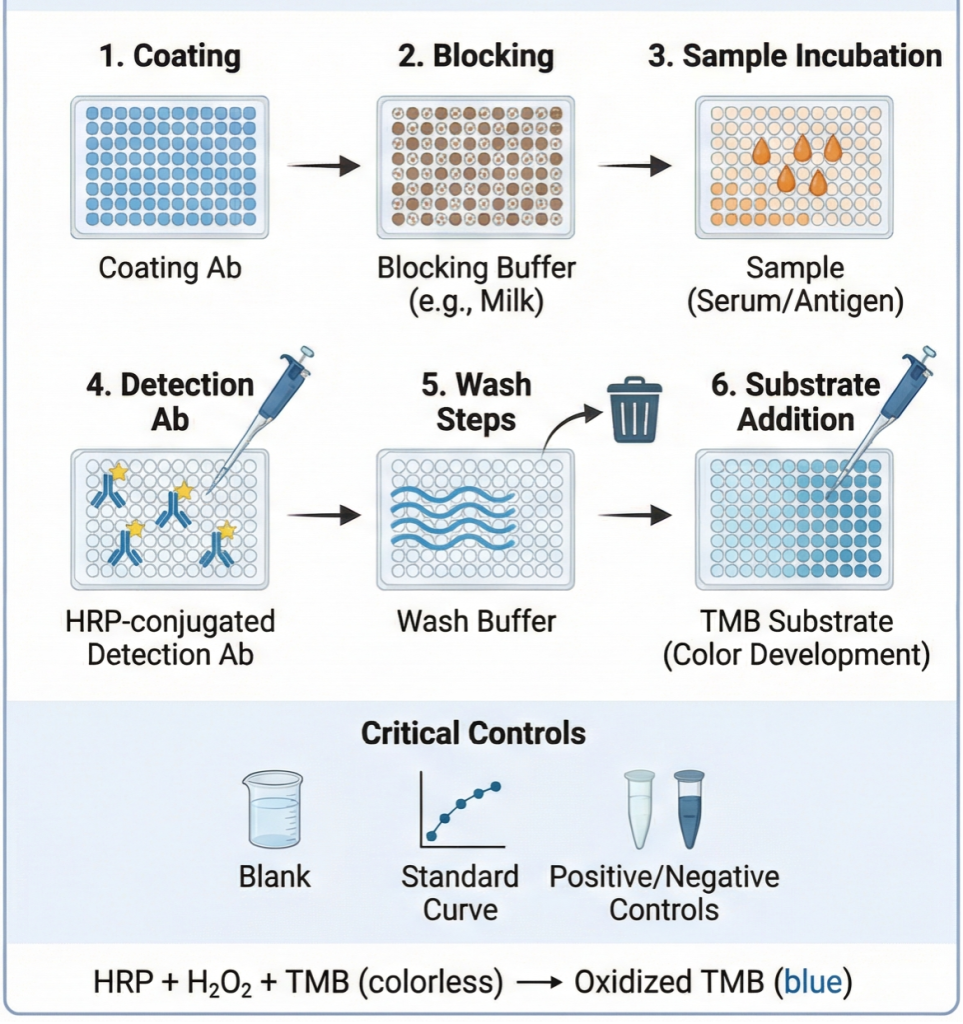
Technical Insight——Ensuring Reliable ELISA Results: From Experimental Design to Data Quality Control

Overview ELISA is widely used for quantitative detection in preclinical and biomedical research. However, data reliability often depends less on the method itself, and more on execution quality and control systems. At Toprion, we focus on delivering consistent and decision-ready ELISA data through standardized workflows and quality control. What Determines ELISA Data Quality While ELISA

Technical Insight——Ensuring Reliable ELISA Results: From Experimental Design to Data Quality Control Read More »