
Overview
Flow cytometry is widely used in preclinical research for multi-parameter cellular analysis, including immune profiling, cell cycle analysis, and biomarker quantification. However, similar to other high-throughput assays, data reliability depends heavily on experimental design, sample quality, and analytical consistency. At Toprion, we focus on delivering robust, reproducible, and decision-ready flow cytometry data across different study contexts.
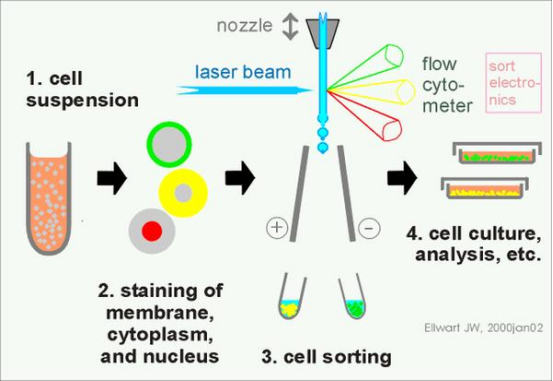
What Drives Data Quality in Flow Cytometry
Flow cytometry enables simultaneous measurement of multiple parameters at the single-cell level, including:
- Cell size and complexity (FSC/SSC)
- Surface and intracellular markers
- Functional readouts
Despite its strengths, variability can arise from:
- Sample preparation (cell viability, single-cell suspension quality)
- Antibody staining strategy and panel design
- Washing and background control
- Instrument settings and data analysis workflow
These factors directly affect signal resolution and downstream interpretation.
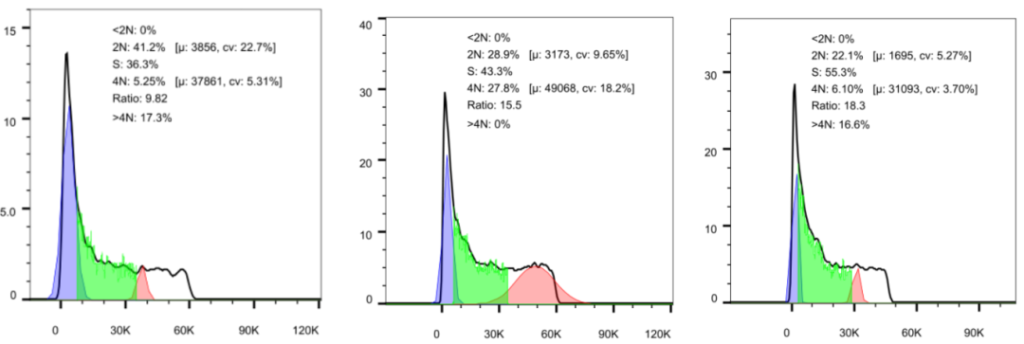
Representative Data Output
Below is an example of flow cytometry readouts generated from typical experimental conditions.
Our Approach to Flow Cytometry Execution
We implement a structured workflow to ensure consistency across experiments:
1. Sample Preparation & Quality Control
- Conversion to high-quality single-cell suspensions
- Optimization of cell viability and debris removal
- Pre-analysis checks to reduce variability
2. Optimized Staining Strategy
- Selection of appropriate antibody panels
- Differentiation between surface and intracellular staining workflows
- Controlled fixation and permeabilization when required
3. Process Control During Assay Execution
Key control points include:
- Washing steps to minimize non-specific binding
- Standardized incubation conditions
- Reagent consistency across batches
Reducing background noise and improving signal specificity
4. Data Acquisition & Analysis
- Standardized instrument settings
- Structured gating strategy
- Use of professional analysis tools (e.g., FlowJo, CytoBank)
Ensuring data is interpretable, comparable, and reproducible
Application in Preclinical Research
Our flow cytometry platform supports:
- Immune cell profiling
- Cytokine and signaling pathway analysis
- Cell cycle and apoptosis studies
- Drug response evaluation
Key Takeaway
Flow cytometry is a powerful analytical tool — but data quality depends on system-level execution, not just instrumentation.
Reliable results require:
- Controlled sample preparation
- Optimized staining strategy
- Standardized data analysis
Call to Action
Need support for complex cell-based analysis or immune profiling? We can help design and execute flow cytometry studies aligned with your research objectives.