
For decades, drug discovery has largely relied on inhibition. Whether targeting kinases, receptors, or enzymes, most therapeutic strategies have focused on blocking protein activity.
However, many disease-driving proteins remain difficult―or even impossible―to inhibit directly.
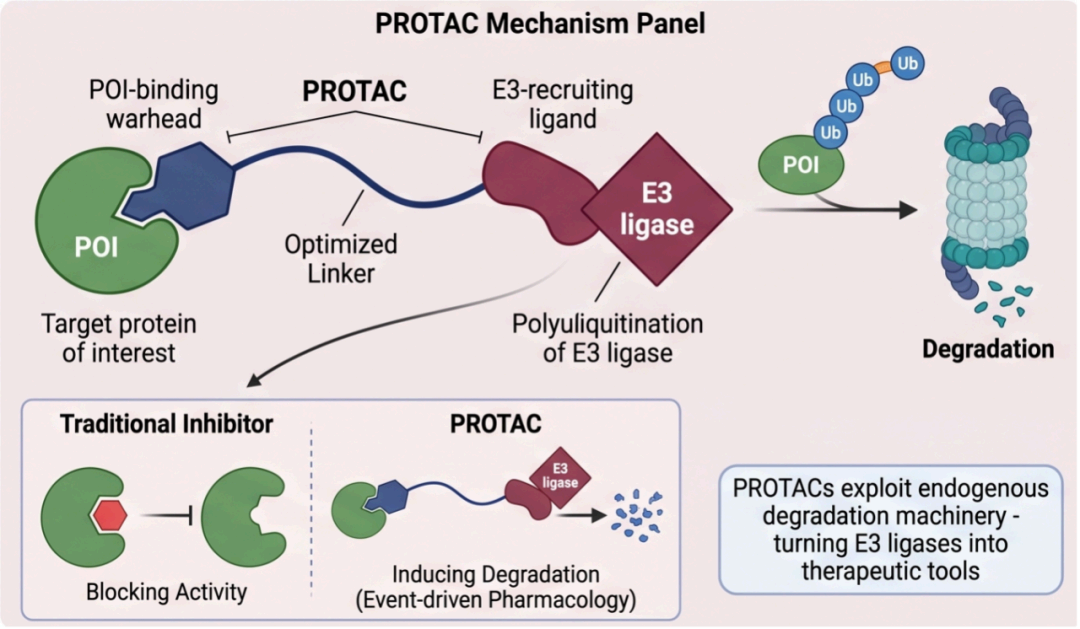
The emergence of targeted protein degradation technologies, particularly PROTACs, has introduced a fundamentally different approach: instead of blocking proteins, researchers can now selectively eliminate them.
At the center of this paradigm shift lies the ubiquitin‒proteasome system (UPS), the cell’s primary machinery for protein quality control and turnover.
Beyond Inhibition: Why Protein Degradation Matters
Traditional small molecules require accessible binding pockets and sustained target occupancy. As a result, many transcription factors, scaffold proteins, and signaling regulators have historically been considered “undruggable.”
Targeted protein degradation changes this equation. By recruiting endogenous E3 ligases to disease-associated proteins, degradation technologies can trigger complete target removal rather than temporary inhibition.
This event-driven mechanism has expanded the range of therapeutic targets and created new opportunities in oncology, neurodegenerative disease, and immune-related disorders.
The Ubiquitin System: More Than a Cellular Disposal Pathway
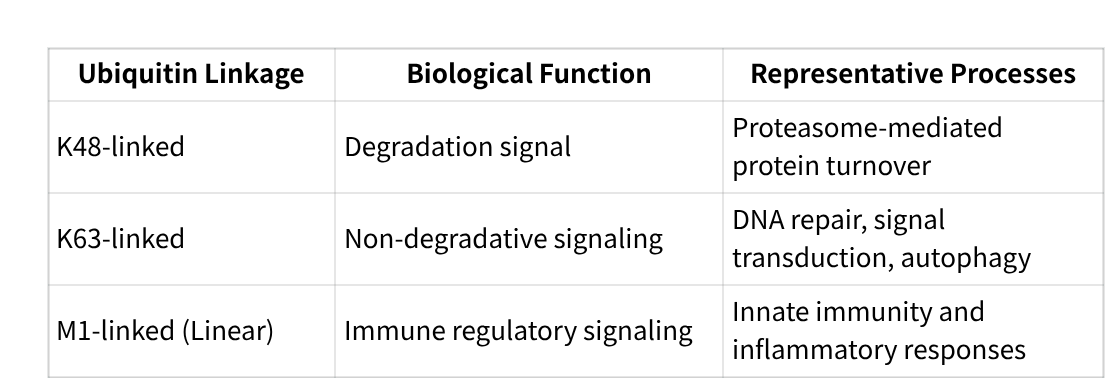
The ubiquitin‒proteasome system is often described as the cell’s protein recycling machinery. However, ubiquitination serves functions far beyond protein degradation.
Different ubiquitin chain architectures encode distinct biological outcomes, influencing:
- Protein turnover
- DNA damage repair
- Signal transduction
- Innate immunity
- Cellular stress responses
This functional diversity helps explain why dysregulation of ubiquitination is associated with numerous human diseases.
Disease Biology and Therapeutic Opportunities
Because ubiquitination governs protein homeostasis, disruption of this system can contribute to multiple disease states.
Oncology
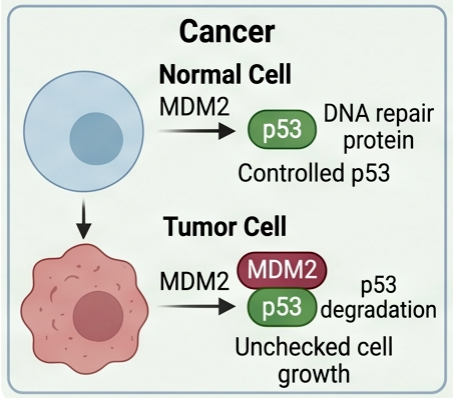
Abnormal degradation of tumor suppressors or stabilization of oncogenic proteins can drive malignant transformation.
One well-known example is the MDM2‒p53 axis, where excessive degradation of p53 compromises cellular tumor-suppressive functions.
Neurodegenerative Disease
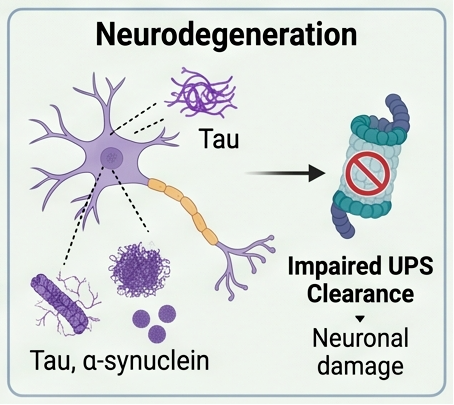
Defects in protein clearance pathways contribute to the accumulation of toxic protein aggregates, including tau and α-synuclein.
These processes are central to diseases such as Alzheimer’s disease and Parkinson’s disease.
Infection and Immunity
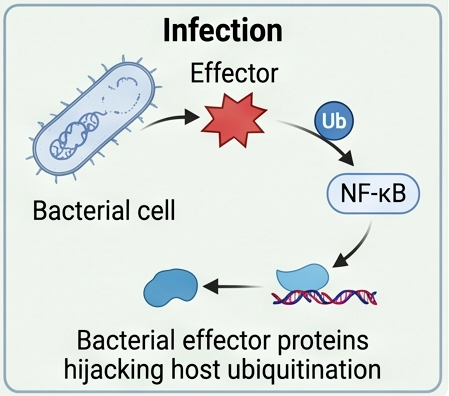
Many pathogens have evolved mechanisms to manipulate host ubiquitination pathways in order to evade immune surveillance and establish infection.
Research Considerations for Targeted Protein Degradation Programs
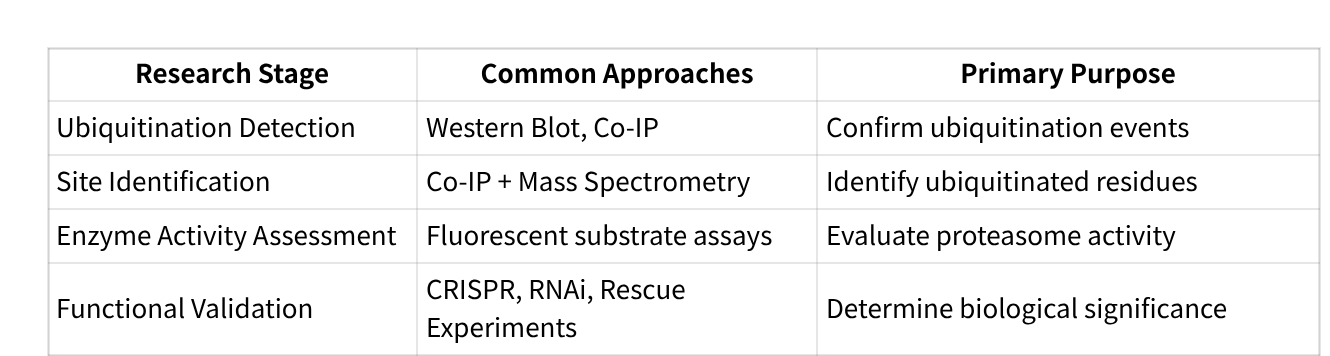
As protein degradation programs continue to expand, experimental validation remains essential.
Typical workflows often combine:
- Co-immunoprecipitation (Co-IP)
- Ubiquitination profiling
- Mass spectrometry
- Site-directed mutagenesis
- Functional validation assays
Because ubiquitination is highly dynamic and reversible, combining mechanistic studies with functional validation is often necessary to establish biological relevance.
Conclusion
The ubiquitin‒proteasome system is no longer viewed solely as a cellular degradation pathway.
Advances in PROTACs, molecular glues, DUB inhibitors, and E3 ligase modulators have transformed ubiquitination from a biological process into a drug discovery platform.
As targeted protein degradation continues to expand into new therapeutic areas, understanding ubiquitin biology is becoming increasingly important for both mechanistic research and translational development.
At Toprion Bio, we support targeted protein degradation and ubiquitination-focused research through integrated discovery platforms, mechanistic validation strategies, and translational study support designed to accelerate scientific insight and therapeutic innovation.