
For decades, preclinical research has relied heavily on two experimental systems: traditional cell cultures and animal models.
Both have contributed significantly to our understanding of disease biology and therapeutic development. Yet both present well-recognized limitations.
Conventional two-dimensional cell cultures are often unable to reproduce the structural complexity, cellular diversity, and microenvironmental interactions found in human tissues.
Animal models, while providing physiological context, introduce species-specific differences that can complicate translation to human biology.
As drug discovery increasingly focuses on translational relevance, researchers are seeking experimental systems that better reflect human disease while remaining practical for laboratory investigation.
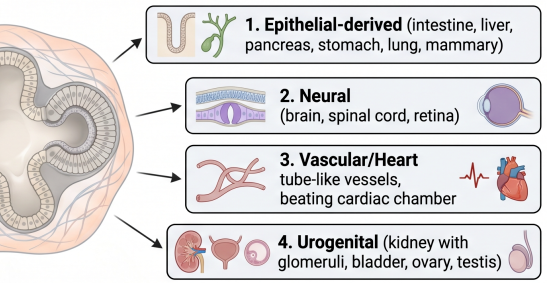
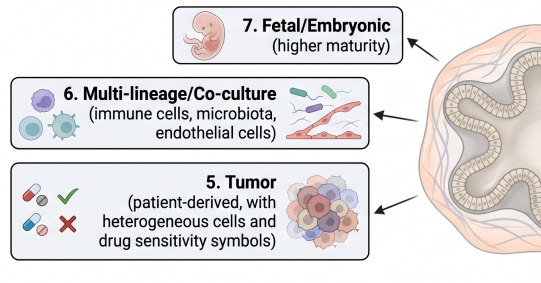
Organoids have emerged as one of the most promising solutions to this challenge. Derived from stem cells or primary patient tissues, organoids can self-organize into three-dimensional structures that recapitulate key aspects of native tissue architecture and function. As a result, they are increasingly being incorporated into disease modeling, drug screening, and translational research workflows.
Bridging the Gap Between Cell Models and Human Biology
One of the primary advantages of organoid systems is their ability to preserve biological features that are often lost in conventional cell culture.
Unlike monolayer cultures, organoids can maintain:
- Three-dimensional tissue organization
- Cellular heterogeneity
- Tissue-specific architecture
- Cell‒cell interactions
- Elements of the native microenvironment
These characteristics allow researchers to investigate biological processes in a setting that more closely resembles human physiology.
Importantly, organoids are not intended to replace animal models entirely. Instead, they provide an intermediate platform that can improve biological relevance while enabling more controlled mechanistic studies.
Expanding Applications Across Disease Research
The rapid adoption of organoid technology is largely driven by its versatility.
Organoid systems are now being applied across a wide range of therapeutic areas, including oncology, infectious disease, neuroscience, metabolic disorders, and regenerative medicine.
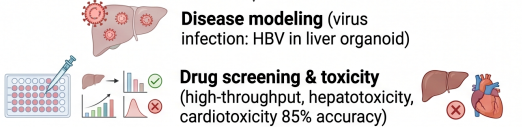
In infectious disease research, organoids can reproduce host‒pathogen interactions that are difficult to capture using conventional cell lines. Liver organoids, for example, have been used to model viral infection processes and associated tissue responses in a more physiologically relevant environment.
In neuroscience, brain and retinal organoids offer new opportunities to investigate human developmental processes and neurological disorders that are difficult to replicate in animal systems.
These capabilities are expanding the range of biological questions that can be explored in vitro while maintaining stronger links to human disease.
Supporting More Predictive Drug Development
Drug discovery programs increasingly require experimental systems that provide meaningful information before compounds enter costly animal studies or clinical development.
Organoids are playing an important role in this transition.
Because organoids retain many tissue-specific characteristics, they can be used to evaluate:
- Drug efficacy
- Target engagement
- Toxicity
- Metabolic responses
- Treatment resistance mechanisms
Applications have expanded from early compound screening to more advanced translational studies, including patient response prediction and therapeutic stratification.
For many development programs, organoids are helping generate data that may better reflect human biology than traditional cell-based assays alone.
Patient-Derived Organoids and Precision Medicine
Among the most rapidly growing areas of organoid research is the use of patient-derived organoids (PDOs).
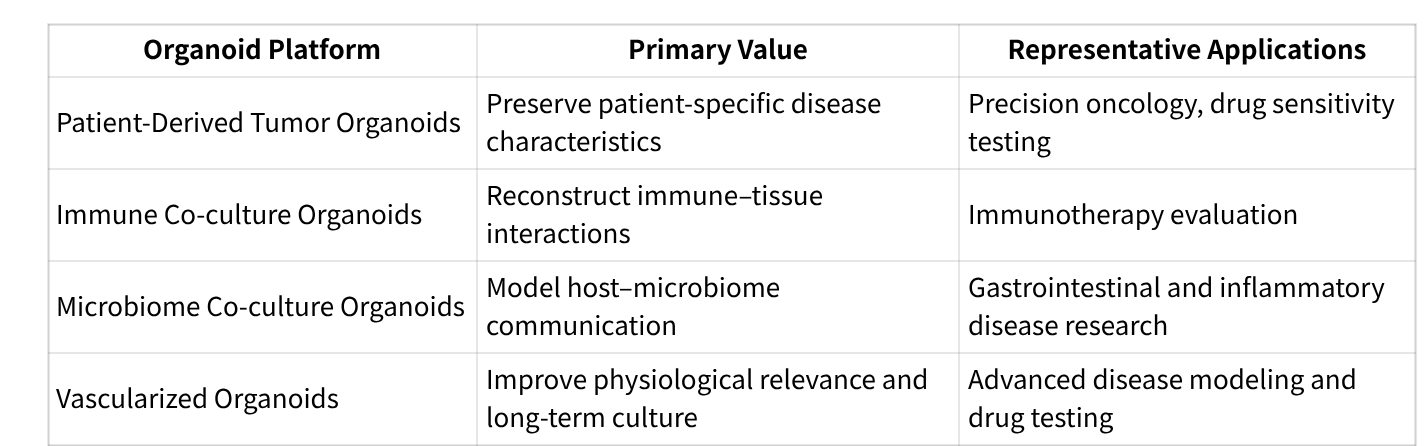
Established directly from patient tissues, PDOs can preserve many characteristics of the original disease, including genetic alterations, cellular diversity, and treatment response profiles.
This has created new opportunities for:
- Precision oncology
- Biomarker discovery
- Drug sensitivity testing
- Patient stratification strategies
As personalized medicine continues to evolve, PDO platforms are increasingly being explored as translational tools that connect laboratory findings with clinical decision-making.
The Next Generation of Human-Relevant Models
The future of organoid technology extends beyond three-dimensional culture alone.
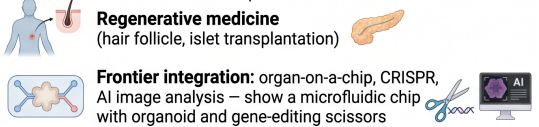
Researchers are increasingly integrating organoids with complementary technologies such as:
- Organ-on-a-chip systems
- CRISPR-based genome engineering
- High-content imaging
- Single-cell analysis
- Artificial intelligence‒driven data interpretation
Together, these advances are transforming organoids from static culture systems into dynamic experimental platforms capable of supporting increasingly sophisticated biological investigations.
Looking Ahead
As the demand for more predictive and human-relevant research models continues to grow, organoids are becoming an increasingly important component of the preclinical research landscape.
While no single model can fully capture the complexity of human disease, organoids provide a valuable platform that bridges traditional cell culture and in vivo studies. Their ability to support disease modeling, translational research, and therapeutic evaluation positions them as a key technology in the future of biomedical innovation.
At Toprion Bio, we support organoid-based research through integrated disease modeling, drug screening, toxicity evaluation, and translational study platforms designed to accelerate the path from scientific discovery to therapeutic development.