
Hyperthyroid heart disease (HHD) represents one of the most severe cardiovascular complications of thyroid hormone excess.
Clinically, it is characterized by persistent tachycardia, cardiac hypertrophy, arrhythmia susceptibility, and progressive structural remodeling. Despite its well-defined clinical phenotype, preclinical modeling of HHD remains challenging due to variability in disease induction, incomplete recapitulation of human pathology, and limitations in functional assessment.
A central challenge in HHD research is not the absence of animal models, but the lack of models that simultaneously provide stability, reproducibility, and clinically relevant cardiac remodeling dynamics.
Modeling HHD: Two Distinct Experimental Strategies
1. Hormone-Induced Cardiomyopathy Model
The most widely used approach is based on exogenous thyroid hormone administration to mimic hyperthyroid status.
This model reliably induces cardiac remodeling, including increased heart rate, reduced body weight, and structural cardiac changes consistent with thyroid hormone excess.
In rodent systems, sustained administration of L-thyroxine can rapidly induce a hyperthyroid state accompanied by measurable cardiac functional alterations, making it suitable for pharmacological evaluation and mechanistic studies.
In larger animal models, prolonged exposure results in more stable electrophysiological changes.
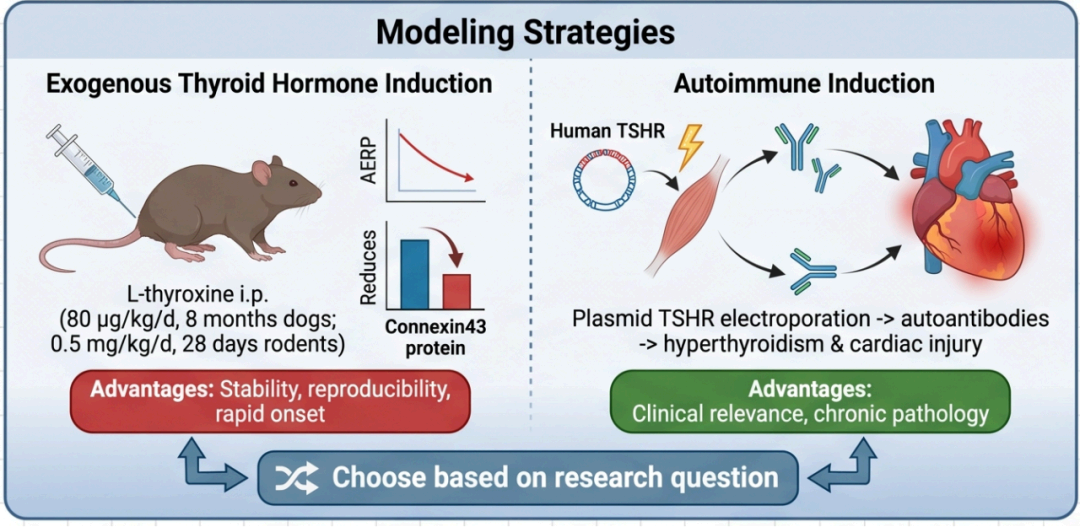
2. Autoimmune-Driven Model (Graves-like Pathology)
This model is based on TSH receptor‒mediated immune activation, leading to production of thyroid-stimulating antibodies and sustained endocrine dysregulation.
Compared with hormone induction models, it better reflects chronic immune-driven disease mechanisms.
Pathological Signature of HHD
HHD is characterized by multi-layered cardiac remodeling across structural, histological, and functional levels.
Structural remodeling
Cardiac hypertrophy, chamber dilation, and increased heart mass.
Histological remodeling
Myocardial fibrosis and cardiomyocyte apoptosis occur in parallel.
Functional impairment
Reduced cardiac performance and altered electrophysiological properties.
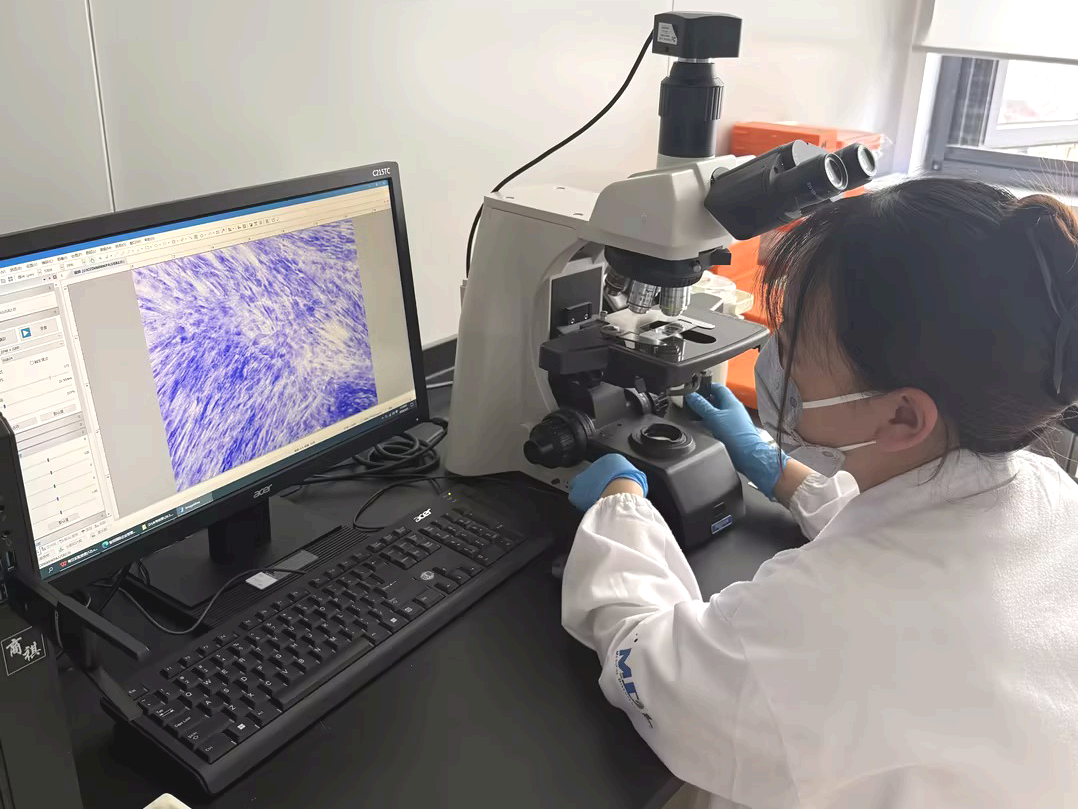
Mechanistic Drivers of Cardiac Remodeling
Key pathways involved in HHD include:
Apoptosis signaling (Fas/FasL axis)
Promotes cardiomyocyte apoptosis and structural deterioration.
Fibrotic regulation (TGF-β/Smad pathway)
Drives extracellular matrix deposition and myocardial fibrosis.
Electrical remodeling (Connexin43)
Contributes to arrhythmogenesis.
Calcium signaling (CaMKII)
Involved in paradoxical activation patterns under thyroid hormone excess.
Evaluation Technologies
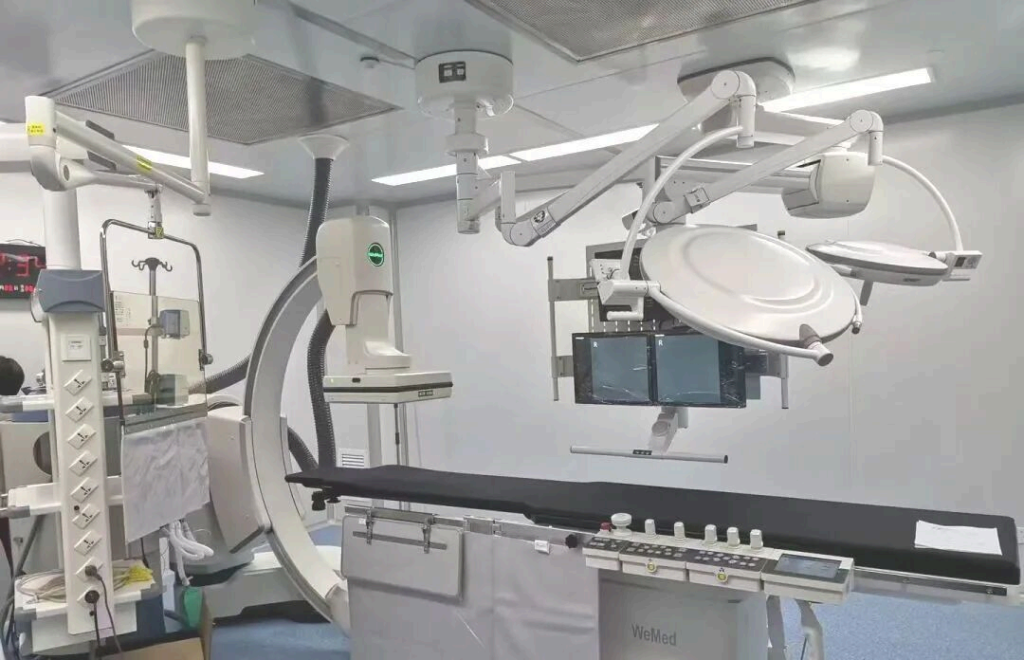
Traditional echocardiography remains standard for HHD assessment, but small animal limitations reduce sensitivity for subtle functional changes.
Advanced imaging methods are increasingly used to improve resolution and reproducibility.
Limitations and Future Directions
Key directions include:
- Autoimmune model standardization
- Humanized thyroid receptor models (TRα/TRβ)
- Single-cell and spatial transcriptomics integration
Conclusion
HHD modeling requires careful alignment between disease induction strategy and research objective. Differences in model selection directly influence the interpretation of cardiac remodeling and therapeutic response.
Advances in imaging and molecular profiling are improving the precision of preclinical cardiovascular research.
At Toprion Bio, integrated cardiovascular disease modeling platforms support model development, functional assessment, and mechanistic evaluation to improve translational reliability.