Model Introduction
The etiology and pathogenesis of Inflammatory Bowel Disease (IBD) have not been fully elucidated; therefore, various animal models of enteritis are widely used for mechanistic research. Among them, the Dextran Sulfate Sodium Salt (DSS)-induced colitis model is the most widely applied. The clinical manifestations of the DSS colitis model are highly similar to human Ulcerative Colitis (UC). Typical symptoms include diarrhea, mucoid stools, fecal occult blood, gross hematochezia, weight loss, decreased activity, and poor coat condition. When DSS is used in combination with Azoxymethane (AOM), a Colitis-Associated Cancer (CAC) animal model can be established, successfully simulating the progression from IBD-induced inflammation to CAC.
Research Applications
The DSS model is primarily used for IBD pathogenesis research and disease phenotype evaluation. Its symptoms closely mirror human UC, providing excellent phenotypic correspondence. The AOM combined with DSS model is used to study the transition from chronic inflammation to tumorigenesis, simulating the pathological progression of IBD-induced colon cancer and providing an experimental platform for studying the relationship between inflammation and oncogenesis.
Key Points of Experimental Design
1) Experimental Animals
- Strain: Balb/c mice
- Sex: Healthy females
- Age: 4–6 weeks
- Weight: 18–22g 2) Husbandry Environment
- Temperature: 25 ± 2°C
- Relative Humidity: 40 ± 10%
- Photoperiod: 12h light / 12h dark
- Acclimatization: 1 week
- Diet: Ad libitum access to water and food 3) Modeling Method
- Day 1: Intraperitoneal injection of AOM (10 mg/kg).
- Day 3 (2 days post-AOM): 2% DSS added to drinking water for 5 consecutive days.
- Cycle: One week per cycle.
- Duration: At least 6 weeks to form a stable model.
Key Detection Indicators
1) Clinical Manifestations
- Diarrhea
- Mucoid stools
- Fecal occult blood
- Gross hematochezia
- Weight loss
- Decreased activity
- Poor coat condition 2) Pathological Changes
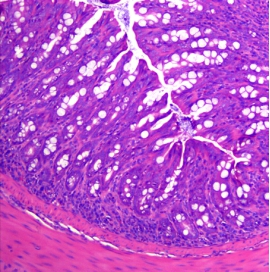
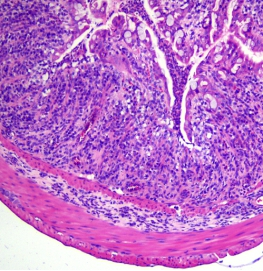
- Significant shortening of the colon
- Mucosal thickening
- Lymph node enlargement
- Loss of goblet cells
- Loss of crypt structure
- Adenomatous polyps and tumor-like changes in some animals