
Under the NHP Shortage, This Study Design Could Save Millions
A biotech company’s ADC program was about to enter IND-enabling safety assessment when the team was informed that the next available cynomolgus monkey study slot was more than six months away, with the cost approaching RMB 200,000 per animal. The timing of the company’s financing, its pipeline development milestones, and the progress updates promised to investors were suddenly thrown into uncertainty.
This is not an isolated case. It has become one of the most pressing concerns facing China’s innovative drug industry in 2025–2026.
The Real Problem Is Not Simply a Shortage of Monkeys, but a Misallocation of Resources
Laboratory primates have a breeding cycle of approximately six to seven years, making it impossible to rapidly increase supply in the short term.
However, the deeper issue is that valuable non-human primate resources are still being consumed during stages of development that could be completed using alternative approaches.
How many early efficacy screening studies use monkeys simply because others are doing so? How many mid-stage pharmacology studies move directly into monkeys without first evaluating whether beagle dogs or miniature pigs could answer the same scientific question? How many programs require repeated studies or additional animals because the early experimental design was insufficiently rigorous?
As securing monkey resources becomes an increasingly common industry concern, development teams need to reconsider whether they are relying too heavily on a single species while overlooking more scientifically structured preclinical strategies.
Restructuring the Strategy: Use Scarce Resources Where They Matter Most
The studies that most clearly require non-human primates are pivotal IND-enabling safety studies.
Before reaching that stage―from target discovery and candidate selection to preliminary pharmacology evaluation―there are established alternative approaches that can support development.
The core strategy is simple: Staged substitution and early scheduling.
Early Screening Stage: Use In Vitro and Rodent Models Whenever Possible
If a scientific question can be addressed using an in vitro model, mouse, or rat, there is generally no reason to begin with monkeys.
Mature rodent efficacy models are available across most major therapeutic areas, including:
- Oncology
- Neurological disease
- Cardiovascular disease
- Metabolic disease
- Inflammation
- Autoimmune disease
Eliminating ineffective candidates during the early stages preserves the most limited NHP resources for later studies where they provide greater scientific and regulatory value.
Intermediate Evaluation Stage: Prioritize Other Large-Animal Species Where Appropriate
When larger-animal studies are required, development teams should first consider whether other species can provide the necessary data.
Beagle dogs and miniature pigs are well-established options for applications including:
- Medical device implantation
- Vascular intervention
- Dermal pharmacology
- Local tolerance assessment
- Selected pharmacokinetic studies
- Long-term safety observation
These models can provide relevant translational evidence while offering more controllable scheduling and study costs.
Pivotal Registration Stage: Plan Early, Optimize the Protocol, and Avoid Waste
Non-human primate studies should be initiated only when they are clearly required by the regulatory strategy or scientific characteristics of the program.
Detailed protocol review should be conducted before the study begins, including:
- Appropriate group design
- Rational animal numbers
- Dose selection
- Observation duration
- Recovery periods
- Sampling schedules
- Toxicokinetic assessment
- Pathology endpoints
Careful design helps ensure that every animal contributes meaningful evidence and reduces the risk of repeated studies or unnecessary additions.
Case Study 1: From “No Available Study Slot” to Early Capacity Reservation
A biotech company developing therapies for metabolic disease faced limited monkey availability and unpredictable scheduling when initiating a dual GLP-1/GIP receptor agonist program.
The development team adjusted its strategy.
Early efficacy screening and preliminary pharmacokinetic studies were completed using humanized mouse models and beagle dogs, allowing the team to conduct sufficient candidate optimization and dose exploration.
At the same time, the project team communicated with the NHP study provider and reserved a pivotal toxicology study slot eight months in advance.
Because the early-stage data were robust and the final protocol was clearly defined, the company was able to generate the required NHP data for its IND submission through a single standard toxicology study package.
This strategy compressed the actual period of monkey use to approximately eight weeks, avoiding a situation in which the company continued spending money while waiting for animals to become available.
This was not only a cost-control strategy. It was also a development-speed strategy.
While other companies were waiting for monkey availability, the program had already completed critical studies using several alternative models.
Building a Tiered Model System to Support Scientific Decision-Making
A staged development strategy requires access to a comprehensive preclinical platform.
An effective tiered model system should cover the entire development process, from in vitro screening to advanced in vivo evaluation.
In Vitro and Cellular Models
Available approaches may include:
- 3D cell models
- Organoids
- In vitro toxicology assessment
- High-throughput candidate screening
- Preliminary toxicity prediction
- Mechanism and biomarker studies
These systems help identify unsuitable candidates before more resource-intensive animal studies begin.
SPF Rodent Platforms
A mature rodent platform should provide established disease models across multiple therapeutic areas.
MDL’s platform includes more than 600 established animal models, covering areas such as:
- Oncology
- Cardiovascular and cerebrovascular disease
- Neurological disease
- Metabolic disease
- Immunology
- Inflammation
- Fibrosis
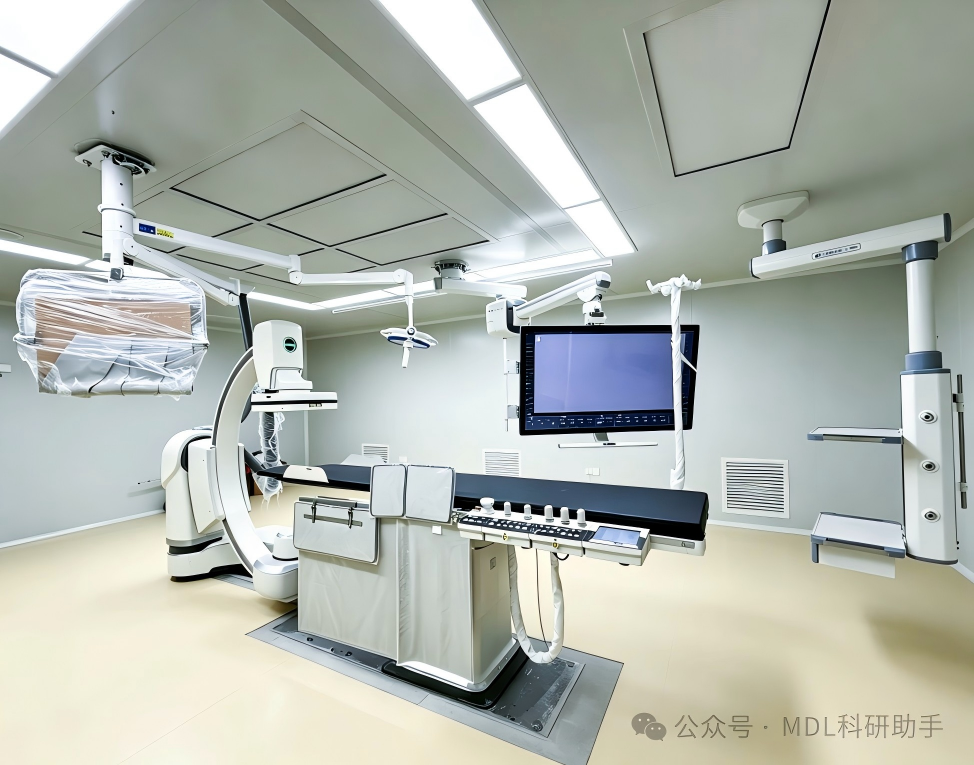
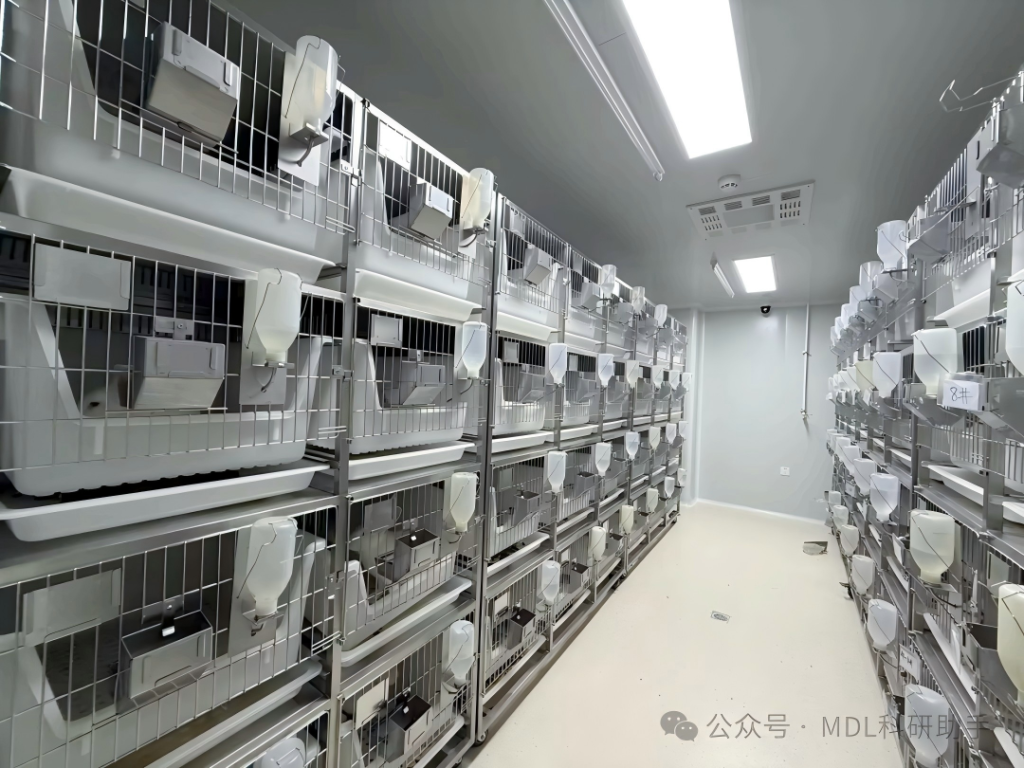
Large-Animal Research Center
The large-animal research center is equipped with a digital subtraction angiography platform and supports studies involving:
- New Zealand rabbits
- Beagle dogs
- Miniature pigs
- Pigs
- Sheep
The platform supports complete study workflows involving:
- Medical device implantation
- Vascular intervention
- Long-term toxicology observation
- Surgical procedures
- Image-guided procedures
- Pharmacokinetic evaluation
A complete model system allows development teams to select the most appropriate model for each scientific question rather than relying on a single species throughout the entire program.
Case Study 2: Determining That Monkeys Were Unnecessary Saved Seven Months
A medical device company developing a new coronary stent originally planned to add an in vivo implantation study in cynomolgus monkeys in addition to its porcine study.
The purpose was to make the regulatory data package appear more convincing.
During protocol review, the technical team determined that the proposed NHP study was not necessary.
For this type of device, the vascular response and endothelialization process observed in pigs are highly comparable to those in humans. Extensive published evidence also supports the use of porcine models as a primary source of evidence for coronary stent evaluation.
The team therefore recommended concentrating resources on a long-term porcine implantation study, supported by a local tolerance assessment in New Zealand rabbits, rather than dividing resources across an additional NHP study.
The revised strategy was successfully accepted during review and saved the company approximately seven months and several million RMB in development costs.
More importantly, it prevented a potential regulatory delay caused by uncertain monkey availability.
This case illustrates an important principle: Non-human primates should be used when they are indispensable, not when they merely add another layer of data.
Integrated Services Make the Strategy Easier to Execute
When study design, animal experiments, pathology, and biological sample analysis are outsourced to multiple providers, additional operational risks may arise.
These commonly include:
- Repeated communication between vendors
- Inconsistent sample handling
- Delayed data transfer
- Scheduling conflicts
- Fragmented quality control
- Increased project-management workload
When study design, animal studies, pathology assessment, and biological sample analysis are completed within one coordinated system, data transfer becomes more efficient and project timelines become more controllable.
This also allows the sponsor’s technical team to focus on the central scientific questions rather than spending substantial time coordinating multiple external service providers.
The NHP Shortage Is Driving the Industry Toward a More Scientific Development Model
In the short term, the shortage of non-human primates is likely to continue.
However, the situation is also pushing the industry to reconsider the scientific efficiency of preclinical development.
The period in which companies competed primarily for access to animal resources is gradually coming to an end.
The next stage of competition will depend on:
- The availability of in vitro alternative technologies
- The ability to flexibly allocate different animal models
- The scientific rigor of experimental design
- The ability to identify unnecessary studies
- The integration of pharmacology, toxicology, pathology, and bioanalysis
These are the capabilities that a modern preclinical CRO should be building.
The objective is not to use more animals. It is to generate the necessary evidence using the most appropriate model at each stage of development.